
When Is the Best Time to Apply for a New Credit Card? 5 Signs You’re Ready
Not sure when to apply for a new credit card? Here are 5 real signs it’s the right time, from welcome bonus timing to protecting your credit score.
This post contains affiliate and referral links. If you apply for a credit card through our links, we may earn a referral bonus or commission at no extra cost to you. We only recommend cards we genuinely use and love. Thanks for supporting Ryan & Kate’s Mile Report!
When Is the Best Time to Apply for a New Credit Card?
Opening a new card shouldn’t happen because you saw an ad while scrolling at 11pm and got a little excited. Used well, a credit card application is a tool, not an impulse buy, and timing it right is most of what separates a great welcome bonus from a stressful few months of overspending just to hit a minimum.
So how do you actually know when it’s the right moment? Here are five real signs, not vague “trust your gut” advice, that tell you it’s a good time to apply.
1. You Already Have a Big Expense Coming Up
This is the single best trigger, full stop. Most welcome offers ask you to spend somewhere between $3,000 and $6,000 in the first three to six months to unlock a bonus that can run anywhere from 60,000 to 100,000 points. If you’re trying to hit that number using nothing but groceries and gas, you’ll either take forever to get there or end up spending money you didn’t need to spend just to chase a bonus.
The better move is to time your application around something you were already going to pay for anyway. A kitchen renovation, a wedding, new furniture, a family vacation, even your annual insurance premium or a tax bill, all of these can knock out a minimum spend in one or two charges without you changing your budget at all.
2. The Welcome Offer Is Actually Elevated
Card issuers run limited-time bumped-up offers pretty regularly, and the difference between a standard bonus and an elevated one can be the difference between a weekend trip and a full international vacation.
If a card you’ve had your eye on suddenly jumps 20 to 50 percent above its usual bonus, or throws in something like a waived first-year fee, that’s usually your signal to move, assuming your budget and credit are in a good spot to support it.
3. Your Life or Spending Habits Have Actually Changed
Your card lineup should match how you’re living right now, not how you were living three years ago. If your day-to-day spending has shifted, it’s worth checking whether your cards shifted with it.
A longer commute or more road trips might mean it’s time for a card that actually rewards gas and transit instead of giving you 1x on something you’re spending real money on every week. If you’ve started traveling more for work or for fun, a premium card with lounge access or hotel status starts making a lot more sense than it did before. And if your grocery bill has quietly crept up, that’s worth pointing toward a card earning 4x or 6x at supermarkets instead of whatever you’re using now out of habit.
4. Your Credit Score Can Handle It
Every new application causes a small, temporary dip in your credit score, usually somewhere in the 5 to 10 point range, because of the hard inquiry. Most of the time that’s not a big deal. It matters more if you’ve got a bigger loan on the horizon.
If you’re planning to apply for a mortgage, a car loan, or a refinance in the next three to six months, this is the time to sit tight and let your credit profile stay as clean and stable as possible. If none of that applies to you, your score is solidly in the mid-700s or better, and your utilization is low, you’re in about as good a position as you’ll ever be to apply.
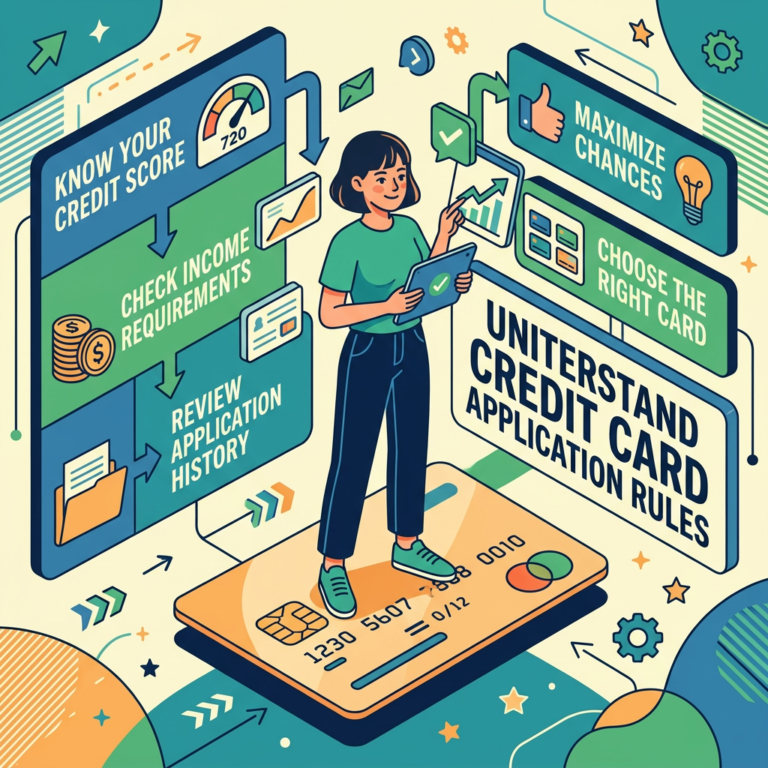
5. You’ve Cleared a Bank’s Application Rules
Card issuers have their own internal rules about how many cards they’ll approve you for, and if you’re not paying attention to them, you can burn an application on a card you were never going to get approved for in the first place.
The most well-known is Chase’s 5/24 rule. Generally speaking, if you’ve opened 5 or more personal credit cards from any bank in the last 24 months, Chase will auto-decline you, no matter how good your credit looks otherwise. If you’ve recently aged out of that count, or cleared a similar restriction with another issuer, that’s exactly the window to go after their best cards before you fill those open slots with something else.
Quick Checklist Before You Apply
| Question | What to Do |
|---|---|
| Can you pay the full balance every month, no carrying interest? | Only apply if yes |
| Does the minimum spend line up with a bill or purchase you already have coming? | Line it up before applying |
| Are you applying for a mortgage or major loan in the next 3-6 months? | Wait until after it closes |
| Is the current welcome offer elevated compared to normal? | Worth prioritizing if yes |
Bottom Line
The best time to open a new card is when a genuinely good welcome bonus lines up with money you were already going to spend. Keep an eye on your credit score, know where you stand with issuer rules like Chase’s 5/24, and let your normal spending do the heavy lifting instead of forcing it.